Canonical URL Guide: Prevent Duplicate Page Confusion
Learn how canonical URLs consolidate duplicate pages, when to use redirects, and how to test conflicting signals.

Canonical URL Guide: Prevent Duplicate Page Confusion
A website can expose similar content through tracking parameters, filters, category paths, and inconsistent URL formats. A canonical URL helps search engines understand which version you prefer for search results.
What a canonical tag does
A canonical declaration belongs in the HTML head and normally uses an absolute URL:
<link rel="canonical" href="https://example.com/preferred-page">It is a strong hint, not a guaranteed command. Internal links, redirects, sitemap entries, and indexability should support the same choice.
Canonical or redirect?
Use a permanent redirect when the alternative URL no longer needs to remain available. Use a canonical when visitors still need an alternative page that contains substantially the same information.
Implementation checklist
Choose one HTTPS hostname and path format.
Point to an accessible, indexable URL.
Avoid canonical chains.
Link internally to the preferred URL.
List preferred URLs in the sitemap.
Keep unrelated pages separate even when they share keywords.
Common mistakes
Do not point every page to the homepage, combine pages with different search intent, or select a target that redirects or carries a noindex directive. These conflicts make the intended version unclear.
How to verify the result
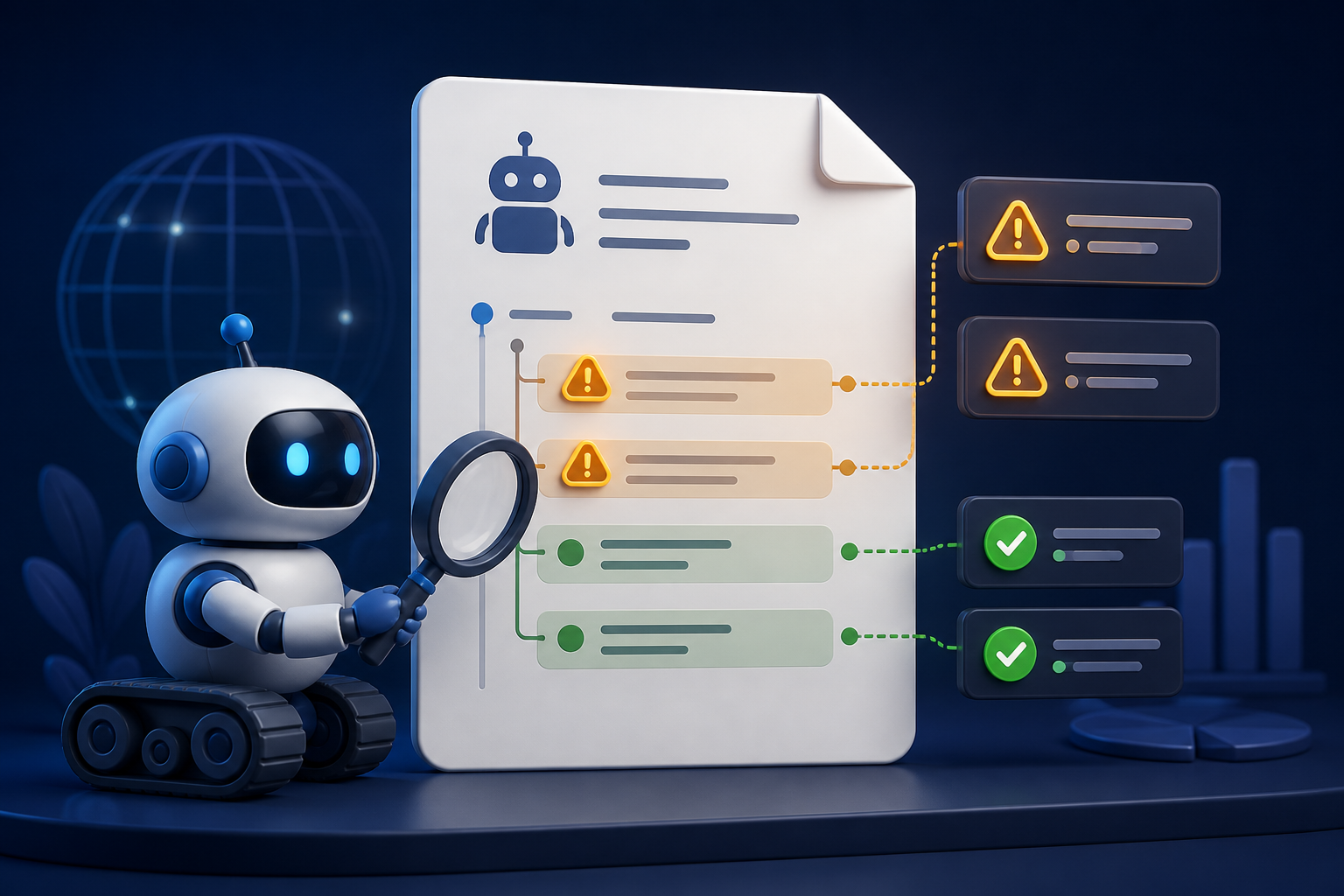
Use the Canonical URL Checker to inspect the declared target and common conflicts. Confirm important URLs with the URL Indexing Checker and keep the XML Sitemap Validator results aligned.
Frequently asked questions
Does a canonical remove a duplicate page?
No. The alternative can remain accessible while the tag communicates a preferred version.
Should every indexable page reference itself?
A self-referencing canonical is often useful because it makes the preferred URL format explicit.
How fast will the change appear?
There is no fixed timetable. Search systems must recrawl the affected URLs and process their combined signals.